



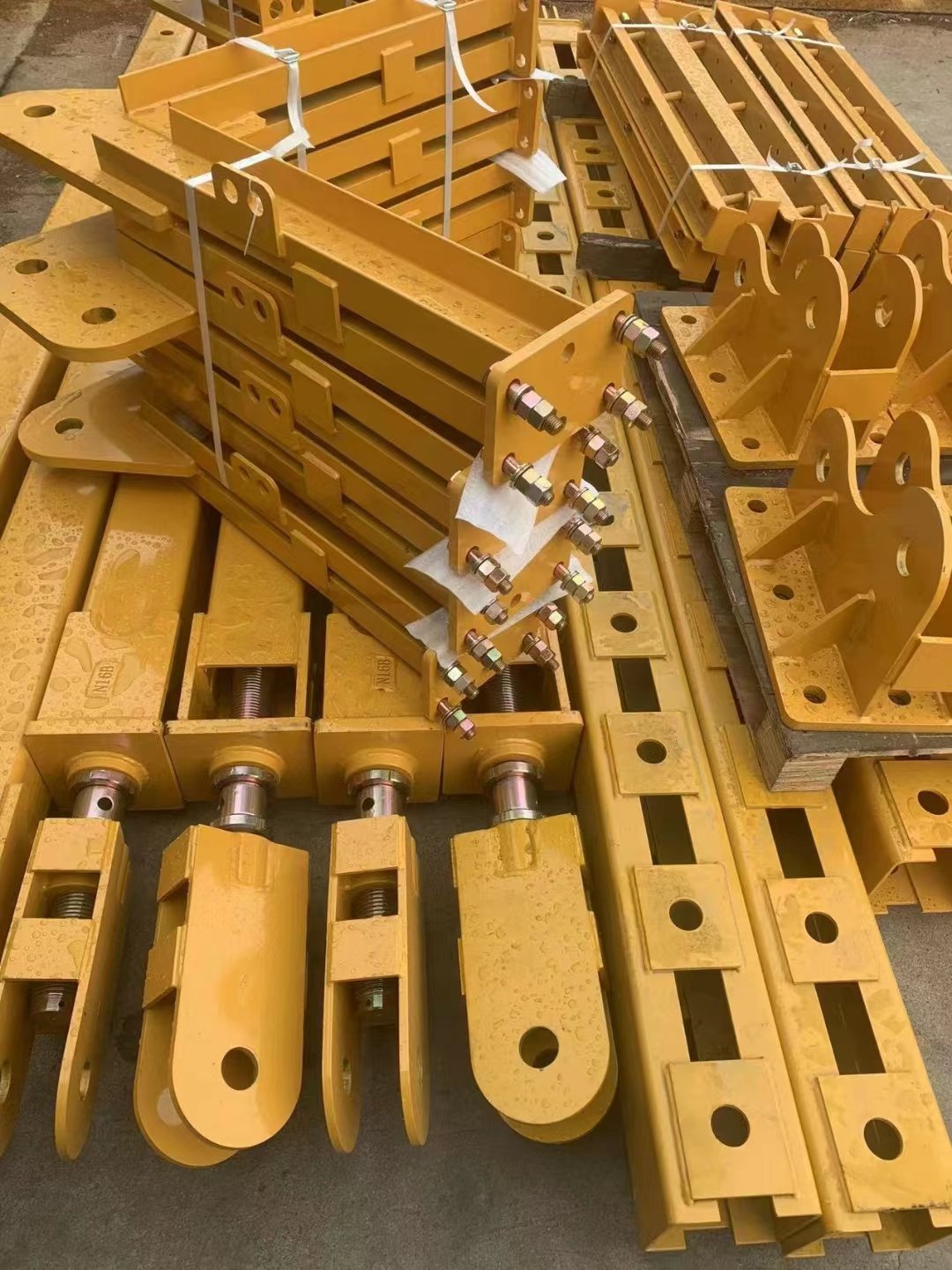
Harga Crane di Tahun 2025: Panduan Komprehensif
Cranes are indispensable assets in construction and engineering projects worldwide, providing essential lifting and material handling capabilities that enable efficient and safe workflows. As we approach 2025, understanding crane prices becomes crucial for businesses planning their capital investments or operational budgets. This comprehensive guide delves into the various facets of crane costs, including purchase prices, rental considerations, and factors influencing pricing trends. Whether you're looking at mini cranes or large crawler cranes, this article will equip you with the detailed insights necessary for informed decision-making.
Gambaran Umum Biaya Pembelian Derek
Penentuan harga crane pada tahun 2025 dipengaruhi oleh kombinasi dinamika pasar, kemajuan teknologi, dan faktor rantai pasokan. Fluktuasi global dalam biaya bahan baku dan efisiensi manufaktur memengaruhi harga dasar, sementara permintaan di sektor konstruksi, infrastruktur, dan energi mendorong tren pasar. Biaya sangat bervariasi tergantung pada jenis crane dan aplikasi yang dimaksudkan. Misalnya, crane mini yang dirancang untuk ruang perkotaan yang sempit akan memiliki harga yang sangat berbeda dibandingkan dengan crane crawler tugas berat yang digunakan dalam proyek industri skala besar. Memahami tren biaya umum ini membantu bisnis mengantisipasi kebutuhan anggaran dan menegosiasikan kesepakatan yang lebih baik.
Rincian Jenis-Jenis Derek dan Biayanya
Derek Mini (1-5 Ton)
Derek mini adalah mesin kompak dan serbaguna yang ideal untuk pekerjaan di dalam ruangan dan ruang terbatas. Fitur utamanya meliputi portabilitas, kemudahan manuver, dan biaya operasional yang relatif rendah. Derek mini biasanya memiliki kapasitas angkat antara 1 hingga 5 ton dan sangat cocok untuk tugas konstruksi ringan, pemeliharaan, dan instalasi. Dari segi harga, derek ini dapat berkisar antara 15.000 hingga 50.000, tergantung pada spesifikasi dan pabrikan. Keterjangkauan dan fleksibilitasnya menjadikannya pilihan populer untuk proyek skala kecil dan aplikasi khusus.
Derek Truk (8-90 Ton)
Derek truk menggabungkan mobilitas kendaraan dengan daya angkat yang besar, menjadikannya pilihan yang disukai untuk berbagai lokasi konstruksi. Biayanya sangat bergantung pada tonase, dengan model yang lebih kecil berkapasitas 8 ton mulai sekitar 1.700.000 hingga 1.400.000 dan varian yang lebih besar berkapasitas 90 ton berpotensi melebihi 1.300.000 hingga 1.400.000. Derek ini sangat penting untuk tugas pengangkatan skala menengah seperti pembangunan jembatan atau penempatan peralatan berat. Fleksibilitas dan kemampuan jalan raya dari derek truk berkontribusi pada pemanfaatannya yang luas.
Derek Menara (60-200 Ton-meter)
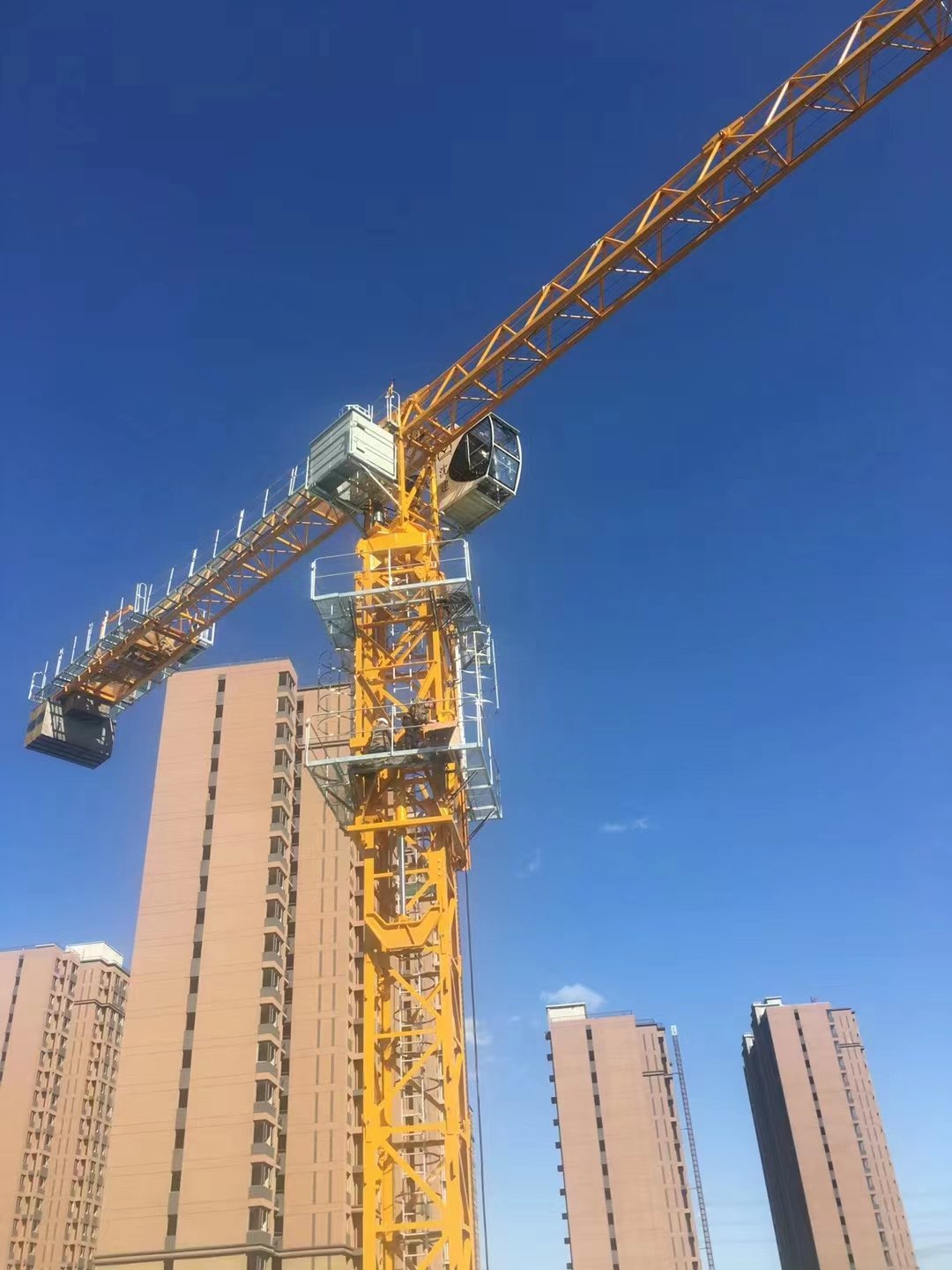
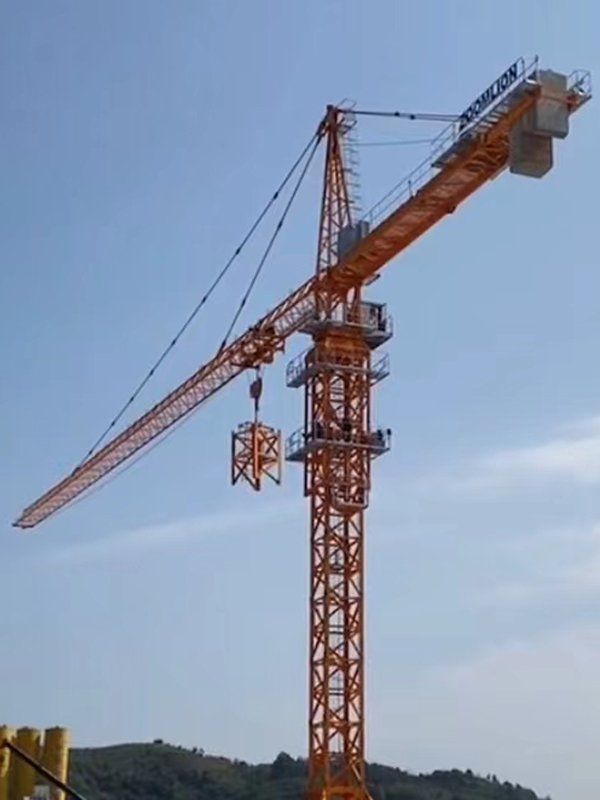
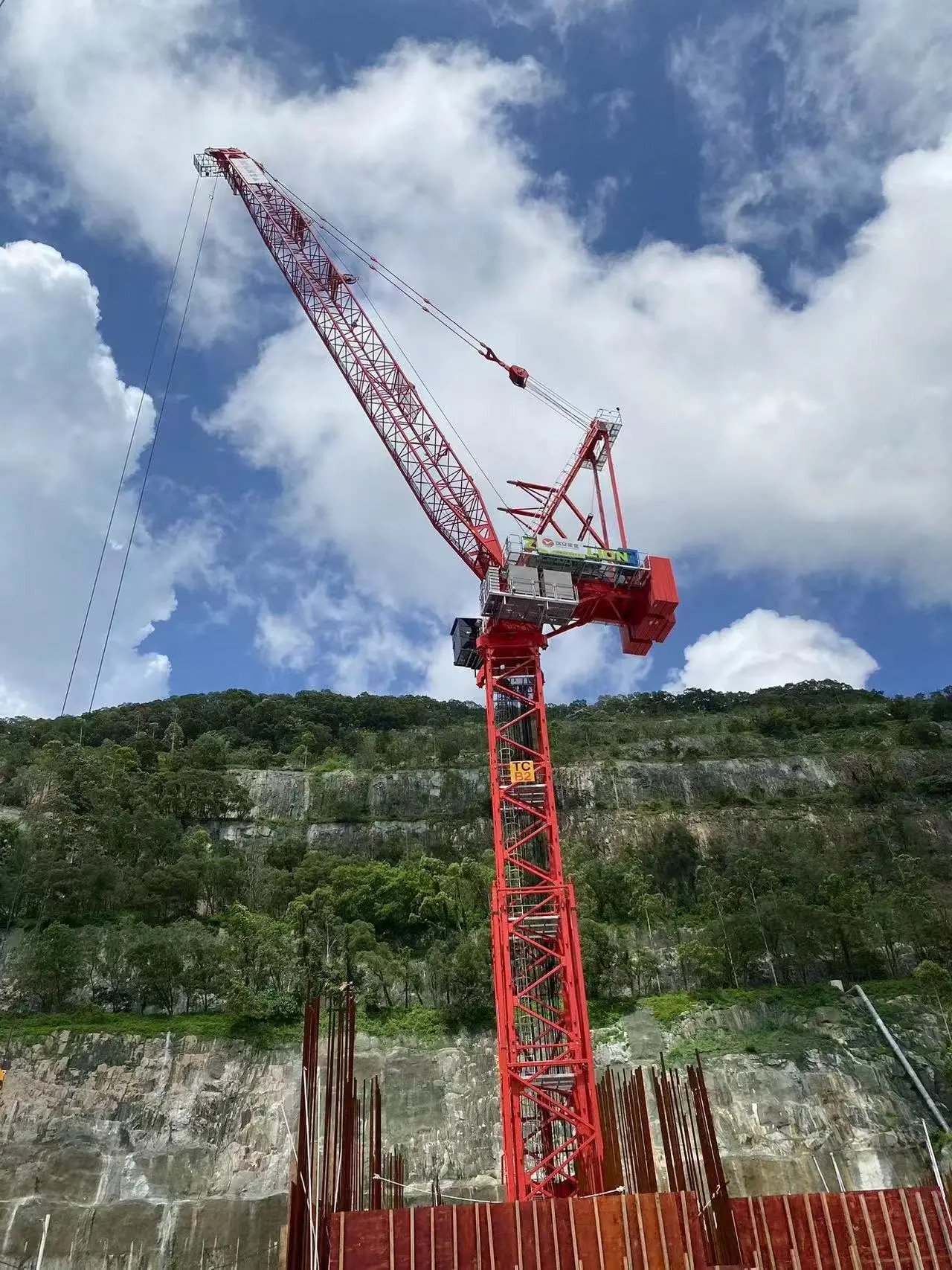
Derek menara merupakan ikon dalam konstruksi perkotaan, menawarkan ketinggian pengangkatan yang tinggi dan kapasitas beban yang mengesankan. Metrik kinerjanya, seperti kapasitas pengangkatan maksimum dan panjang lengan derek, secara langsung memengaruhi harga. Model dasar dengan konfigurasi sedang mungkin berharga sekitar 150.000 GBP, sedangkan model canggih dengan jangkauan dan daya angkat yang lebih luas dapat melebihi 450.000 GBP. Derek menara sangat penting untuk proyek konstruksi gedung tinggi, di mana ketinggian dan jangkauan sangat krusial.
Derek Beroda Rantai (50-300 Ton)
Derek beroda rantai memberikan stabilitas dan daya angkat yang sangat baik di medan yang sulit berkat sasis beroda rantainya. Derek ini banyak digunakan dalam proyek konstruksi berat dan infrastruktur. Harganya berkisar dari 200.000 hingga 1 juta untuk model yang lebih kecil berkapasitas 50 ton hingga lebih dari 1 juta untuk mesin kelas atas berkapasitas 300 ton. Keunggulannya dalam fleksibilitas dan kapasitas beban menjadikannya sangat diminati dalam aplikasi yang menuntut.
Derek Jembatan Layang (10-50 Ton)
Derek jembatan layang memainkan peran penting di pabrik dan gudang, memfasilitasi pergerakan material melintasi bentang. Biayanya dipengaruhi oleh panjang bentang, tinggi pengangkatan, dan opsi kustomisasi. Harga tipikal berkisar antara $30.000 dan $150.000. Derek ini meningkatkan produktivitas di lingkungan industri dengan memungkinkan penanganan beban berat yang presisi dan efisien.
Faktor-faktor yang Mempengaruhi Biaya Derek
Beberapa faktor memengaruhi harga derek selain hanya jenis dan ukuran mesin. Parameter teknis seperti kapasitas angkat, jangkauan, fitur otomatisasi, dan efisiensi bahan bakar dapat memengaruhi biaya secara signifikan. Dinamika pasar dan rantai pasokan, termasuk harga bahan baku dan logistik, juga memainkan peran utama. Opsi konfigurasi dan kustomisasi yang disesuaikan dengan kebutuhan proyek tertentu seringkali menambah harga dasar. Selain itu, pembeli harus mempertimbangkan biaya tersembunyi seperti perawatan, pelatihan operator, dan asuransi. Perubahan kebijakan dan peraturan lingkungan dapat lebih memengaruhi harga dengan mewajibkan peningkatan atau membatasi spesifikasi derek tertentu.
Biaya dan Pertimbangan Sewa Derek
Bagi banyak bisnis, menyewa derek merupakan alternatif yang hemat biaya dibandingkan membeli, terutama untuk proyek jangka pendek. Biaya sewa bervariasi tergantung pada jenis derek, durasi, dan lokasi geografis. Biaya sewa umum berkisar dari beberapa ratus dolar per hari untuk derek mini hingga beberapa ribu dolar per hari untuk derek crawler berat. Faktor-faktor penting yang perlu dipertimbangkan meliputi ketersediaan, tanggung jawab pemeliharaan, dan logistik transportasi. Penyewaan memberikan fleksibilitas tanpa pengeluaran modal di muka, tetapi dapat menimbulkan biaya jangka panjang yang lebih tinggi jika sering digunakan.
Kerangka Pengambilan Keputusan: Beli vs. Sewa
Saat memutuskan antara membeli dan menyewa derek, perusahaan harus mengevaluasi ruang lingkup proyek, durasi, dan frekuensi penggunaan. Membeli menguntungkan untuk penggunaan jangka panjang atau berulang, memberikan kepemilikan aset dan potensi nilai jual kembali. Menyewa cocok untuk proyek jangka pendek atau sekali pakai di mana penghematan modal sangat penting. Pilihan kompromi adalah membeli derek bekas, yang dapat menawarkan penghematan signifikan sambil mempertahankan kapasitas operasional. Perusahaan seperti Foshan Yueyang Machinery mengkhususkan diri dalam menyediakan berbagai pilihan derek baru dan bekas, membantu klien mengoptimalkan strategi investasi mereka.
Kesimpulan
Memahami harga crane di tahun 2025 membutuhkan pandangan komprehensif tentang jenis crane, tren pasar, fitur teknis, dan pertimbangan strategis. Baik memilih untuk membeli atau menyewa, bisnis harus menganalisis faktor biaya dengan cermat agar sesuai dengan kebutuhan proyek dan tujuan keuangan mereka. Dengan wawasan tentang berbagai kategori crane, faktor-faktor yang memengaruhi, dan opsi sewa versus pembelian, para pengambil keputusan akan lebih siap untuk memilih solusi yang memaksimalkan efisiensi dan pengembalian investasi.
Tanya Jawab Umum
Berapakah harga rata-rata sebuah crane pada tahun 2025?
Harga rata-rata sangat bervariasi tergantung jenisnya, mulai dari 1.000 hingga 1.000 untuk derek mini hingga lebih dari 1.000 hingga 1.000 untuk derek crawler besar, yang dipengaruhi oleh spesifikasi dan kondisi pasar.
Bagaimana perbandingan biaya sewa crane dengan harga belinya?
Biaya sewa memberikan fleksibilitas dan pengeluaran awal yang lebih rendah, biasanya berkisar dari ratusan hingga ribuan dolar per hari tergantung pada ukuran dan jenis derek, sedangkan pembelian melibatkan investasi awal yang lebih tinggi tetapi memberikan manfaat kepemilikan jangka panjang.
Untuk informasi tambahan mengenai produk dan layanan derek, kunjungi Produk halaman. Pelajari lebih lanjut tentang misi dan nilai-nilai kami di TENTANG KAMI halaman. Untuk membahas kebutuhan peralatan spesifik Anda, silakan kunjungi halaman kami. HUBUNGI KAMI halaman.lagi di situs web saudara kami.
